AI Agents for Project Management: Tools, Trends & Examples (2026)
 Victoria Sokolova
.
April 6, 2026
.
Project Management
.
29 mins READ
Victoria Sokolova
.
April 6, 2026
.
Project Management
.
29 mins READ
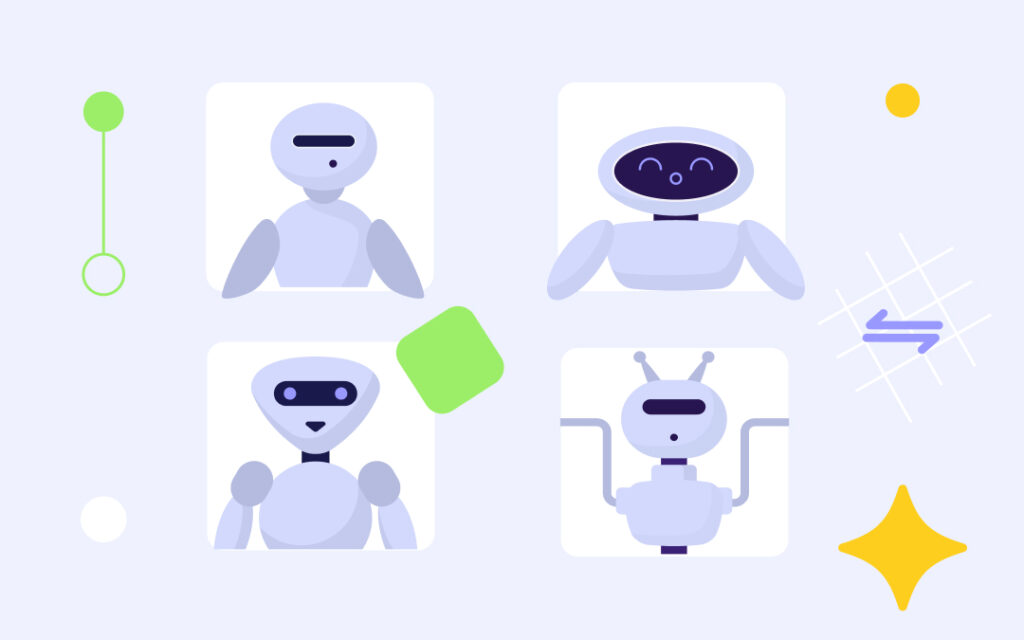
Without any doubt, in 2026, you will hear about artificial intelligence agents (AI agents) from every corner of the Internet. They are autonomous digital assistants that help project managers, executives, and PMOs handle complex project environments. Unlike traditional project management solutions, AI agents in project management can dynamically adapt to changes and learn from previous experience.
Interesting points to consider before we kick off:
- 80% of project managers’ work will be eliminated by 2030, because of AI, according to Gartner.
- The global market of AI for project management is expected to grow to $52.62 billion by 2030 at a CAGR of 46.3% according to the report.
- 44% of project practitioners believe that with the help of AI, they are likely to finish more projects with the same capacity.
That’s impressive, isn’t it? In this article, we will explore AI agents project management: what AI agents are, how they transform a project management environment, what top AI agents for project management are, and the latest trends in this area.
What Are AI Agents?
According to the article, AI agents are autonomous software entities that are capable of performing tasks, making their own decisions, and doing some actions to achieve specific, predefined goals. In project management, AI agents go beyond static automation — they analyze data, communicate with teams, and can even make suggestions on how to improve processes.
They operate in multi-modal ways, processing text, voice, visuals, and integrating with other project management platforms like Jira, MS Project, and others.
How AI Agents Are Transforming Project Management
If we compare traditional project management tools with a new generation of AI agents, we will see a huge difference. While standard tools like Gantt charts and Kanban boards rely on humans and can’t prevent mistakes, AI agents in project management are able to:
- Simplify multi-project portfolio management. AI agents are capable of analyzing projects across the portfolio in real-time, allocate the right resources to the right projects at the right time, anticipate and manage bottlenecks and risks, support decision making, etc.
- Automate repetitive tasks. AI agents handle scheduling and tracking, monitor budget and generate reports, saving project managers’ capacity for more important work.
- Enhance decision-making. They analyze different types and amounts of data like historical, current trends, team performance, and so on. An AI agent for project management can predict delays and help managers optimize processes and resources due to strategic needs.
- Improve prioritization. This point is vital in a multi-project environment because AI agents help not to get lost in a huge number of simultaneous projects and ensure that the most urgent and important tasks will be done on time.
- Interact in real-time. You can ask an AI agent about projects, employees, timings, and all other needed information and get immediate updates as well as suggestions for improvements.
Key Benefits of Using AI Agents for Project Managers

1. Improved efficiency.
First of all, the AI agent for project management can automate tedious, repetitive tasks, allowing managers to focus on the strategy and decision-making. According to Capterra, 63% of project managers report increased productivity and efficiency while using AI-powered PM software. Meanwhile, the International Institute of Learning reports that 80% of project leaders believe they will have more time for more complex tasks when using AI.
2. Effective risk management.
Secondly, managing risks across multiple simultaneous projects often is a hard task to do, but the AI agents for project management help to continuously track project progress, predicting bottlenecks and suggesting proper solutions to deal with them. According to the PMI thought-leadership report, 20% of first movers use generative AI in more than half of their projects, as AI helps them with a wide range of activities, from predictive modeling to proper resource management.
3. Improved productivity.
While AI agents are working on repetitive tasks, team members can pay more attention to critical tasks and projects. A Project.co research reports that 58% of project managers said AI has increased the level of output and return of investment (ROI) in their businesses, while 68% said that AI has improved communication across teams. Moreover, 84% of project managers reported improved project efficiency and significant benefits (enhanced decision-making, cost savings, greater competitiveness) after incorporating AI in their workflow.
4. Enhanced accuracy.
Complex multi-project and portfolio management involves huge amounts data on projects and resources, which makes it impossible to analyze it effectively manually and come up with accurate insights. Using AI agents helps to address this challenges: first, it reduces the possibility of human-factor errors and second, it provides much more accurate insights and predictions based on data analysis.
Read more: How Project Management Tools Can Improve Business Performance in 2025
Real Examples of AI Agent Usage in Projects

1. Software development projects.
It may be a common situation when a developer team is working on three different projects at the same time. Everything is okay but then an unexpected bug appears and work slows. Instead of waiting for the project manager to solve this problem, the AI agent notices the bottleneck, seeks across other projects and suggests reassigning a developer from another project who has free time. The team gets on the track faster and the project manager doesn’t have to spend long hours on monitoring the situation on the project and resource levels.
2. Marketing campaigns.
A business plans a global marketing campaign with a huge number of diverse departments, including designers, SMM specialists, copywriters, and marketing specialists from different countries. For example, if one process delays, an AI agent project manager can suggest changing the order of tasks, like moving ahead with social media planning while waiting for the articles for the website. In this case, the process doesn’t stop and doesn’t block other activities just because one part is late.
3. Healthcare.
A private clinic initiates a few projects at the same time, for example, creating a system for patients to stay on track after treatment, organizing training for doctors, and creating courses for interns. AI agents for project management track all these projects and compare them to the staff’s schedule. It sees that specialists needed for lectures are also busy with patients, so it suggests allocating other available specialists to prevent disruptions.
Choosing the Right AI Agent Framework for Your Project
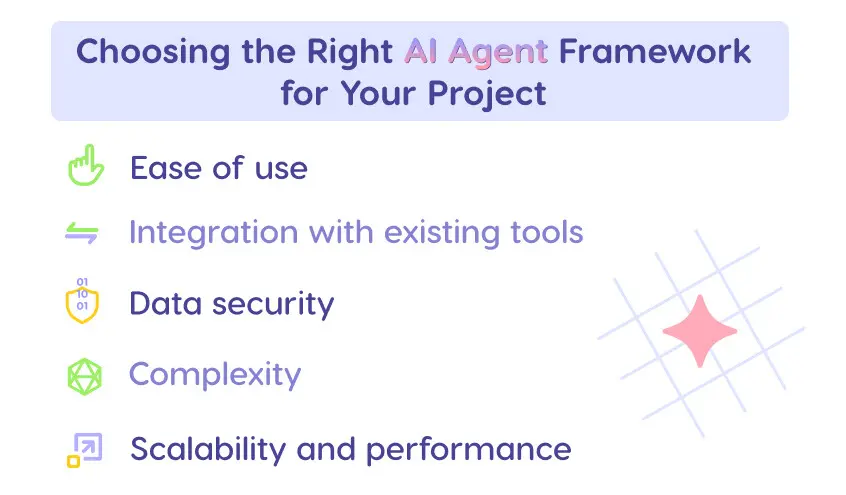
While choosing the right tool, you should pay attention to some important moments. Let’s consider them at the list below:
1. Ease of use.
This point is about how easy it would be to integrate AI agents for project management into your workflows. Consider your team skills and answer the following questions:
- Does this framework need programming skills or is it suitable for no-code users too?
- Do we need to train our team members to use it or is it intuitively understandable?
- How long will it take to integrate this tool and how much will it cost?
The answers will simplify and speed your team adaptation to new tools.
2. Integration with existing tools.
Choose frameworks based on their integration capabilities with software you already use. Figure out how well it works with your current databases, infrastructure, and other project management tools. Also, you need to consider how it will be implemented and deployed.
3. Data security.
Data privacy and security must be top 1 priority while choosing AI agents project management applications. It is vital for all projects but especially for multi-project environments where you should handle a huge amount of sensitive data. Consider verifying security policies of chosen framework by such characteristics:
- Data encryption;
- Access controls;
- Protecting sensitive data;
4. Added value for current processes.
Identify which tasks an AI agent can automate to increase efficiency and simplify daily work.
- Prioritize areas that will deliver the most positive impact on business strategic goals to maximise ROI and client satisfaction;
- Consider adopting a single agent or a multi-agent system if you need multiple agents to work simultaneously on different processes;
- Focus on processes with low complexity but high frequency.
5. Scalability and performance.
Evaluate performance of the chosen framework and ability to scale.
- Can it handle huge amounts of data or multiple concurrent requests?
- What is response time for real-time actions?
- What is the latency of multiple requests or real-time applications?
10 Best AI Agents for Project Management in 2026
We’ve analyzed more than 20 tools and finally can share our top 10 AI agents for project management in 2026.
Epica by Epicflow
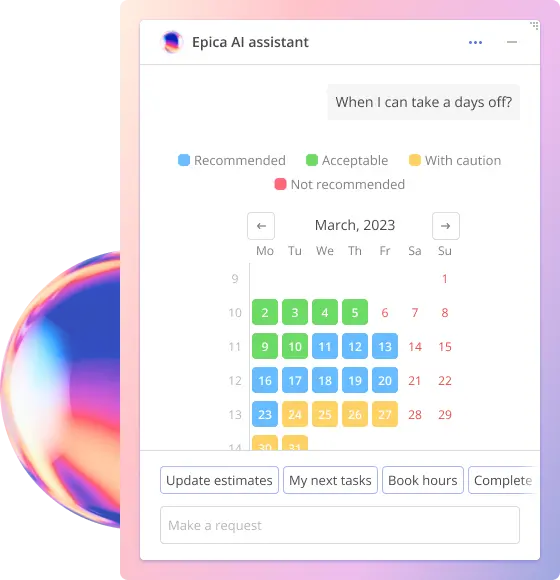
Epica, Epicflow’s advanced AI virtual assistant, acts like a smart project manager AI agent. Using natural language processing (NLP), it helps managers simplify complex multi-project management, analyze workloads and detect bottlenecks and risks, suggest improvements to current workflows and resource management processes, and answer questions, becoming a helpful hand on a daily basis.
It was developed as part of Epicflow, a portfolio and resource management solution, designed to optimize portfolio and resource management and deliver maximum business value with existing resources. Epicflow is based on a unique methodology that focuses on achieving resource efficiency across multiple projects and delivering measurable business impact. The tool prioritizes data security and is a perfect solution for complex engineering-driven industries like aerospace and defense, automotive, manufacturing, software development, healthcare, etc.
Why is Epica unique?
- It is AI agent project manager that helps allocate the right resources to the right tasks;
- Built directly for multi-project environments;
- Provides dynamic data analysis of capacity and alerts when the system detects overload;
- Sends reminders and news to team members;
- It’s interactive: you can chat with Epica — ask it any question about projects and get an answer immediately;
Asana AI
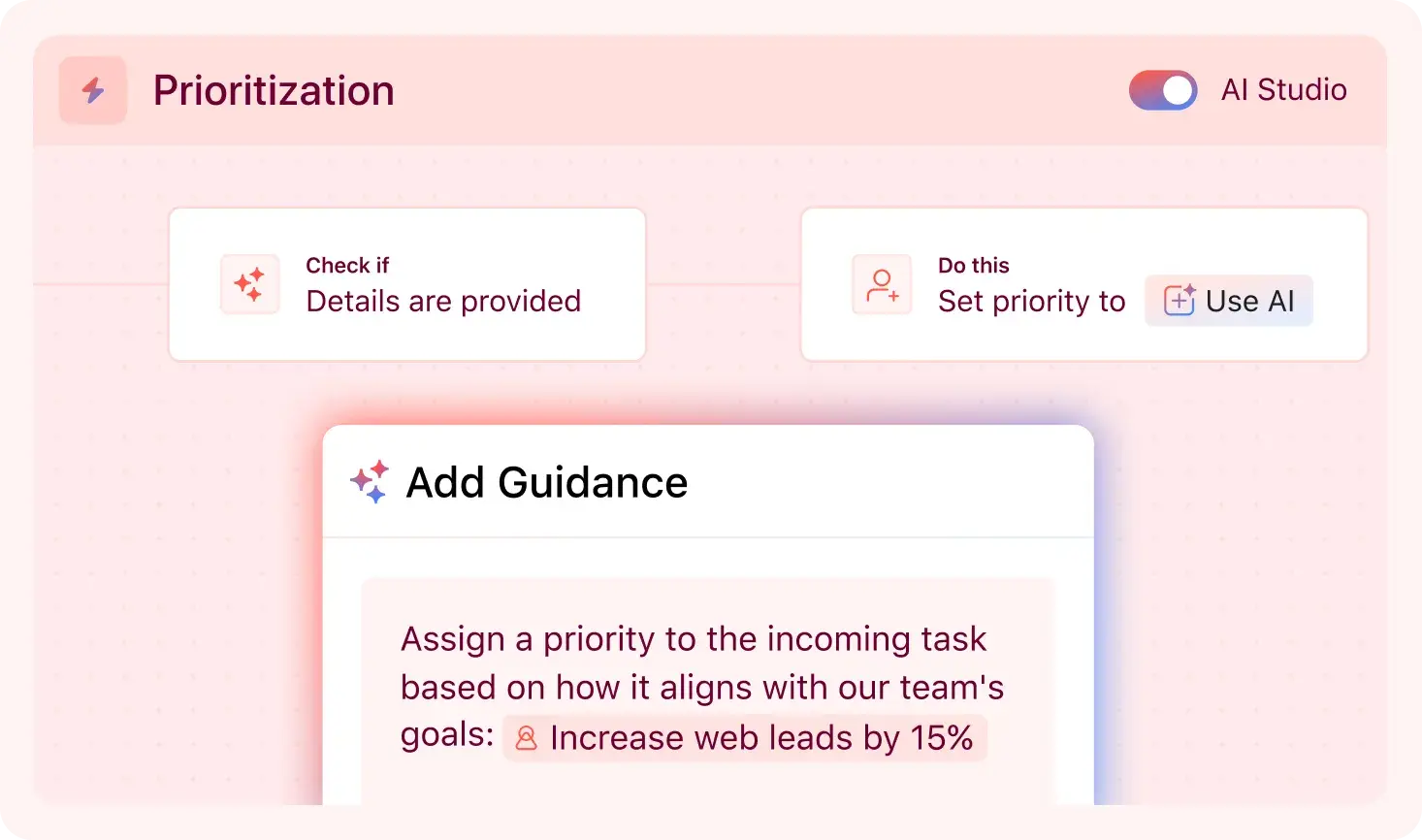
Asana AI uses artificial intelligence to predict task deadlines, enhance smart scheduling suggestions, and uses natural language commands for automatization.
Benefits:
- Automates routine tasks;
- No code required;
- Surface insights;
- Security and transparency;
Limitations:
- You can access some features only after purchasing premium subscription.
- Less suited for complex, multi-project environments.
Trello AI assistant
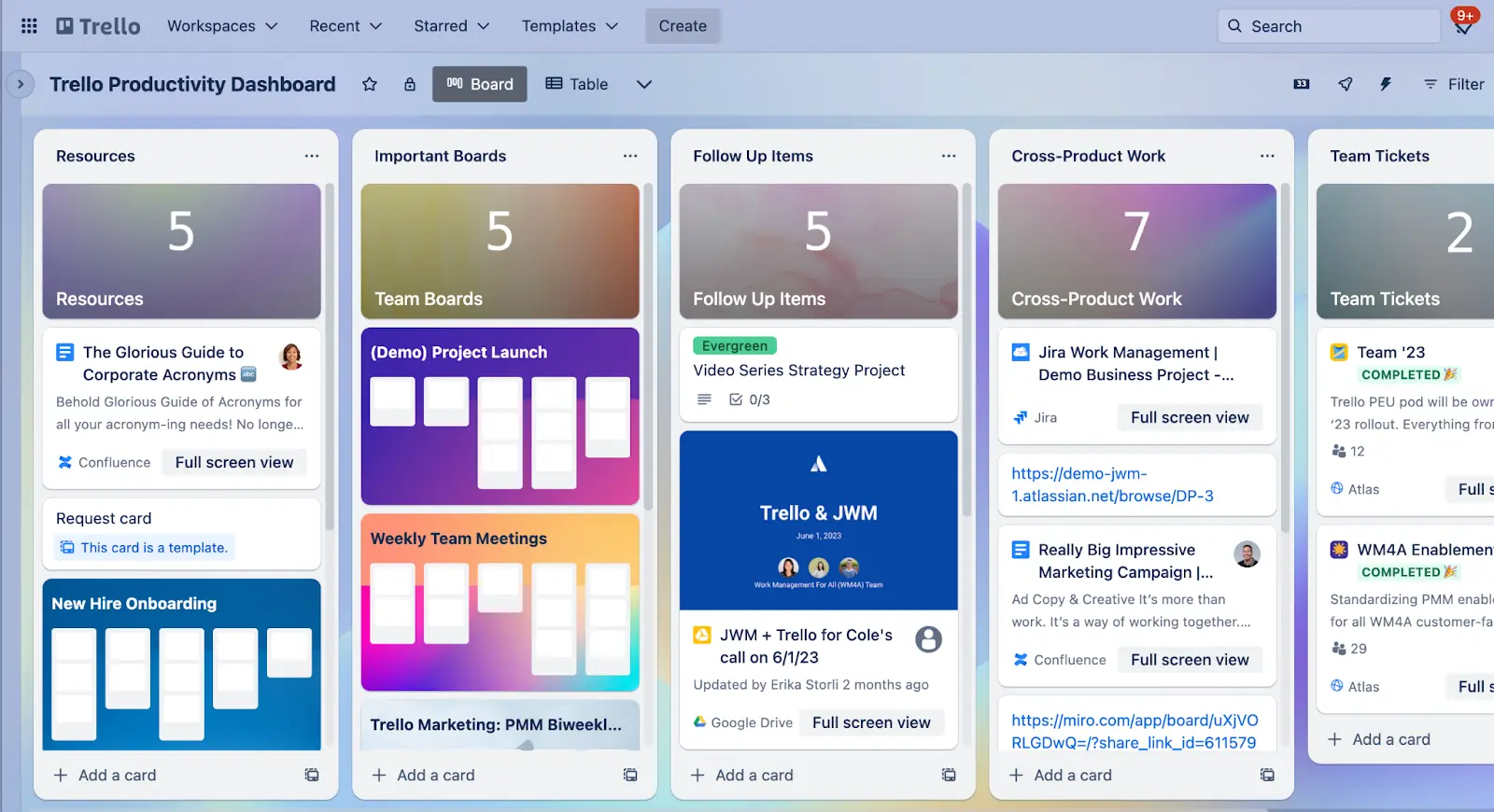
It helps small teams quickly organize boards, set task deadlines and dependencies, without any complex setup. It increases productivity by simplifying day-to-day task management as well as improves collaboration and communication. This AI agent is more suitable for smaller teams without complex interdependencies.
Benefits:
- Easy to adapt;
- AI suggestions for next steps;
- Keeps boards organized;
Limitations:
- Limited analytics and forecasting;
- Limited automation;
- Not suitable for multi-project management.
ClickUp AI
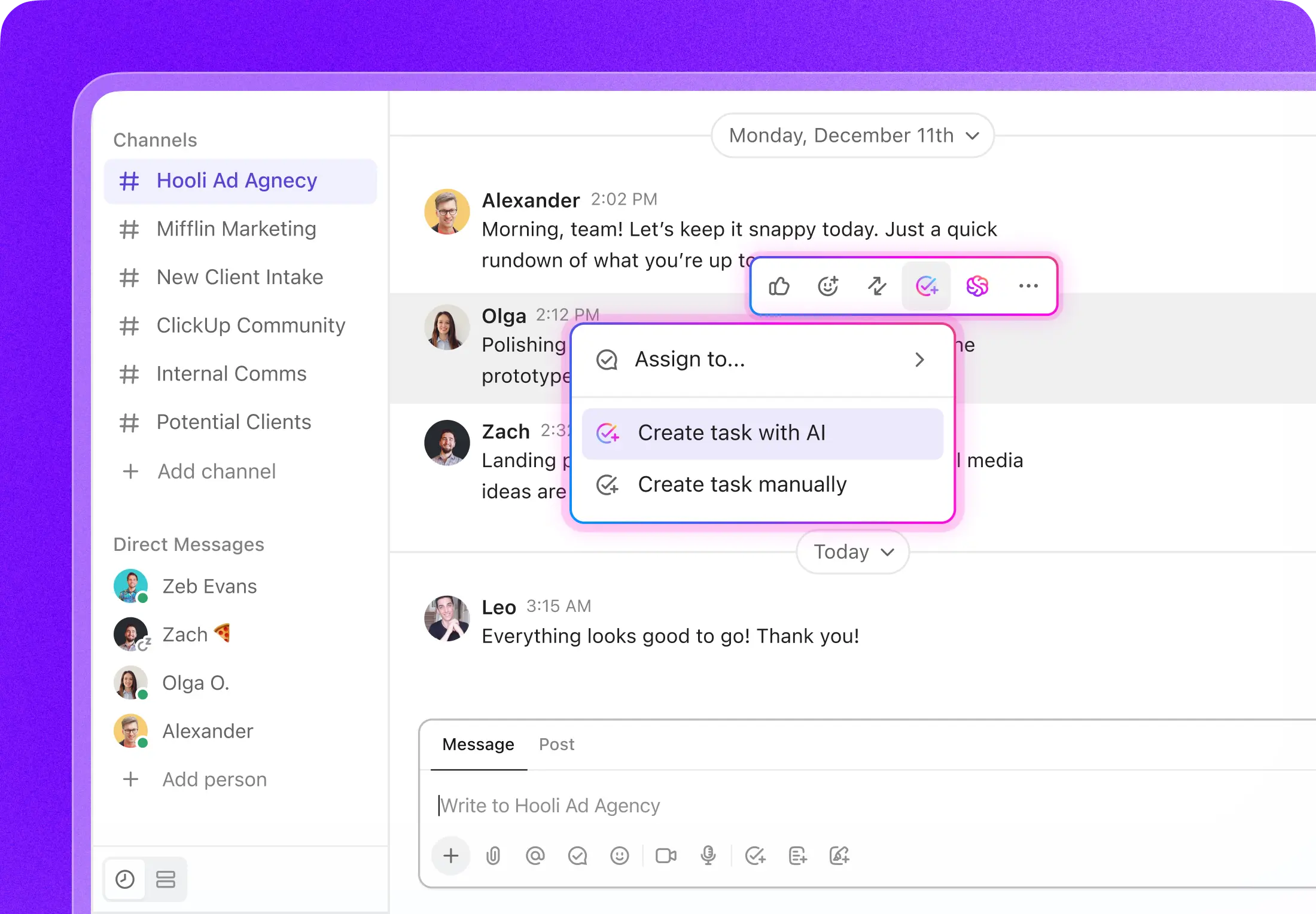
ClickUp is an all-in-one management platform with embedded AI assistant ClickUp AI. It helps with task creation, automatic prioritization, taking notes and scheduling meetings.
Benefits:
- Supports multiple agents for different business purposes;
- Generates task lists;
- Makes summaries of long conversations.
Limitations:
- It is an ecosystem with embedded AI agents, so your team needs to work with ClickUp to use these features;
- The interface can feel overwhelming while working with the platform for the first time.
Monday.com AI
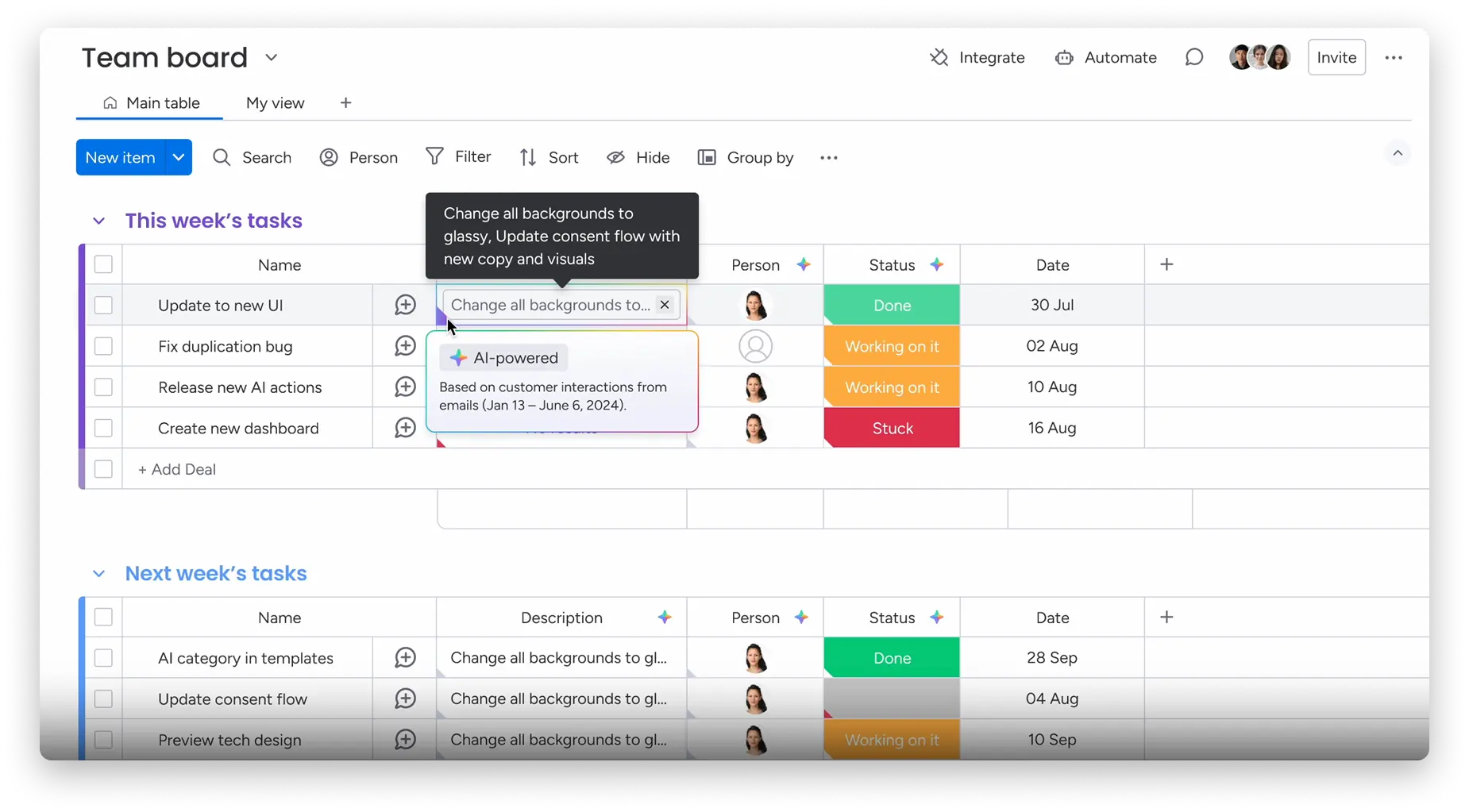
Monday.com AI helps to plan and execute work across multiple projects in the portfolio.
Benefits:
- Suitable for marketing, design, CRM, software development, task tracking, etc.
- Supports risk detection;
- Resource visibility across all projects.
Limitations:
- Some features come only with subscription;
- AI tools are available only with subscription.
Microsoft Copilot
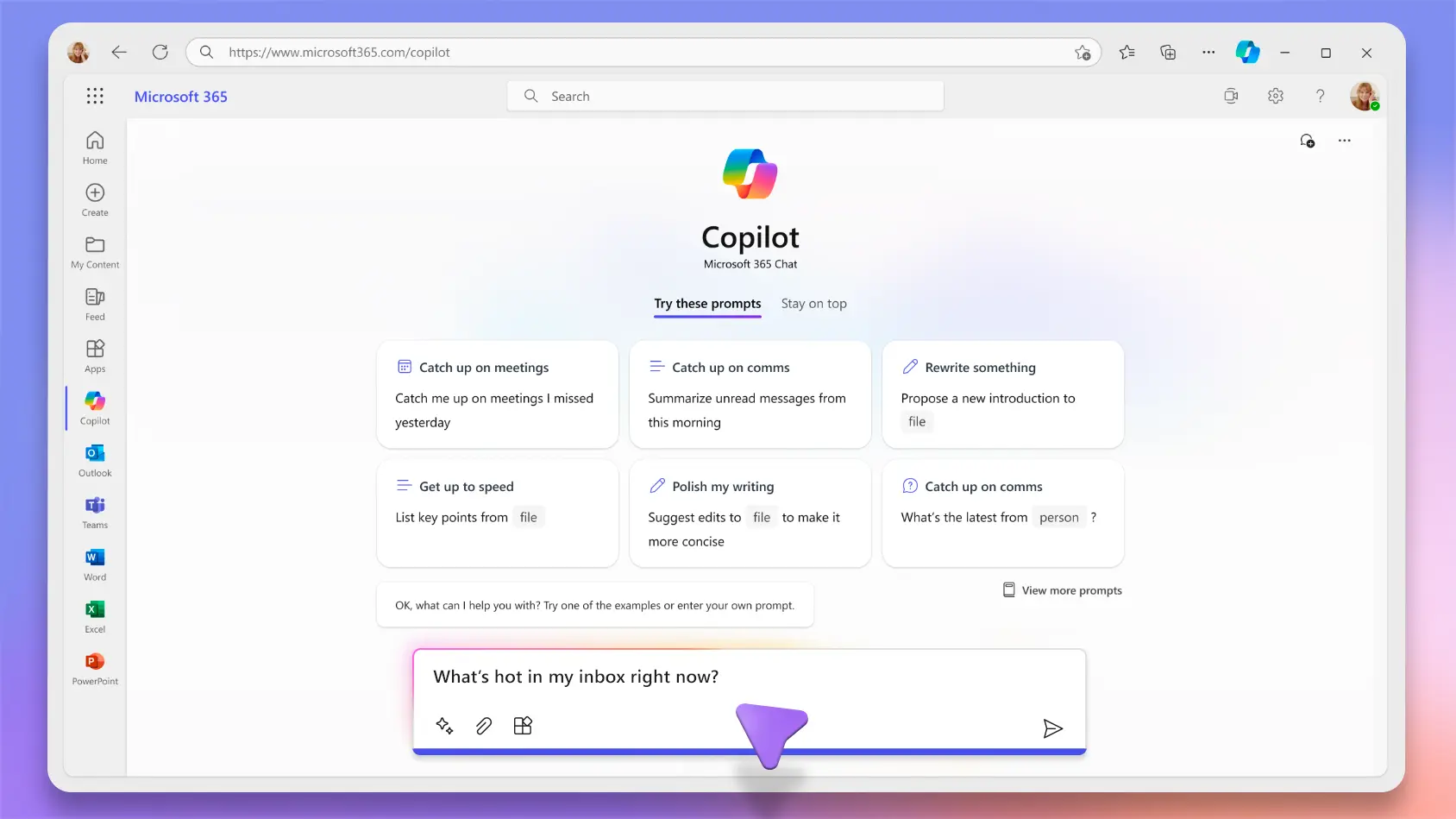
Microsoft Copilot is built into Microsoft 365 suite and brings AI features to different Microsoft known tools, like MS Project, Teams, Outlook, and others. It can help project managers with project planning and reporting.
Benefits:
- Simplified project planning and automation;
- Integration with the Microsoft ecosystem;
- Supports natural-language queries;
- Supports voice processing.
Limitations:
- Works if you are already using other Microsoft tools;
- Can be less adaptive for complex, multi-project environments.
Notion AI
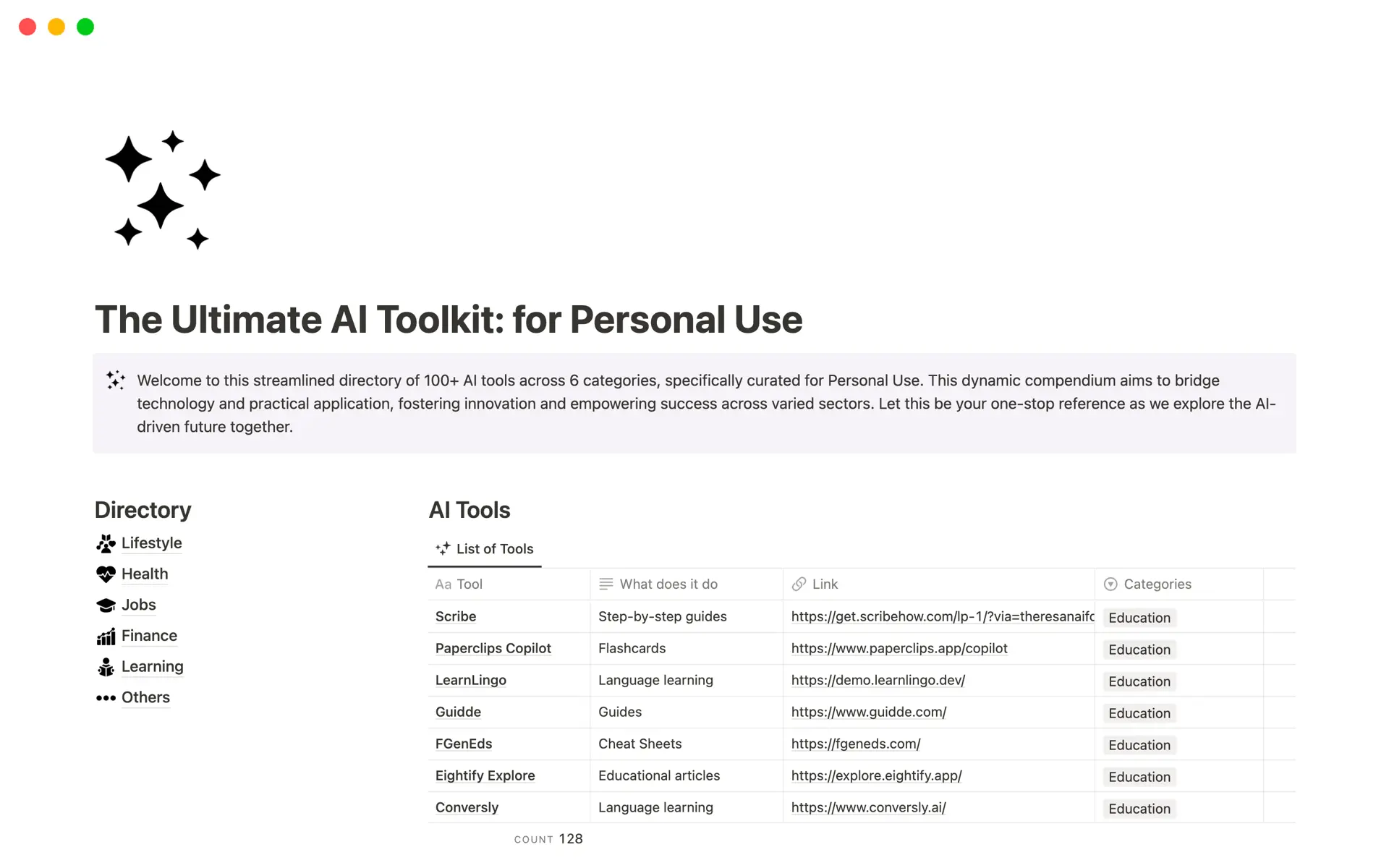
AI tool from Notion that can help you with taking notes, creating tasks, brainstorming and summarizing.
Benefits:
- Docs generation;
- Supporting natural-language processing;
- Secure, supports data encryption.
Limitations:
- Lacks advanced project management tools like Gantt charts, graphs, capacity and resource planning;
- Less suited for managing a large project portfolio.
Akira AI
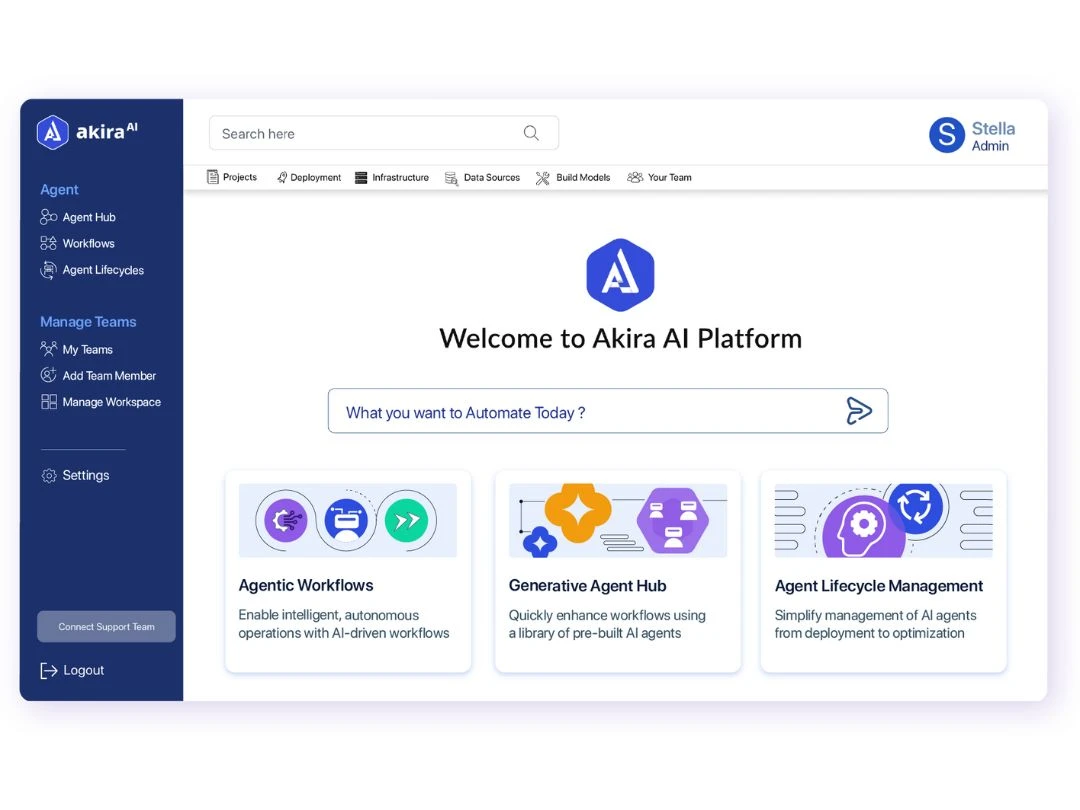
Akira AI provides different tools for various business processes, including project management. Doesn’t require coding experience.
Benefits:
- Integration with already existing tools;
- Different agents for different processes (PM, QA, HR, design, etc.)
- Perfect for companies that don’t want to build their own AI tool from scratch.
Limitations:
- May need manual setting up for specific niche;
- Can feel overwhelming while first usage.
Wrike Work Intelligence
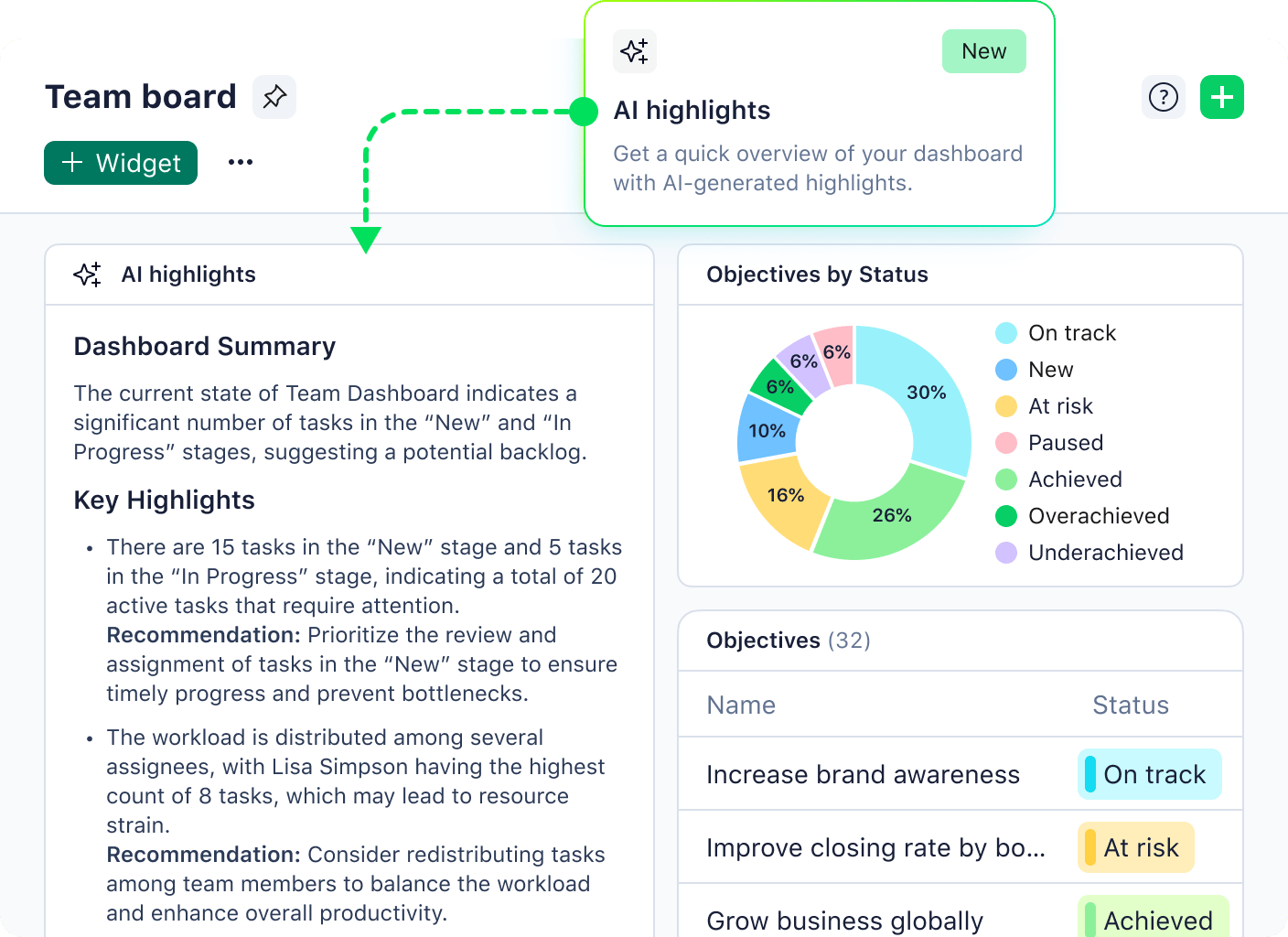
Wrike work intelligence helps organizations prioritize tasks, predict risks and gain insights about work of different teams.
Benefits:
- Workflows automation;
- Advanced insights and analytics;
- Well-suited for enterprise PMOs, IT and marketing.
Limitations:
- Full AI features available only with subscription;
- Works best if your team already works with Wrike.
Zia by Zoho
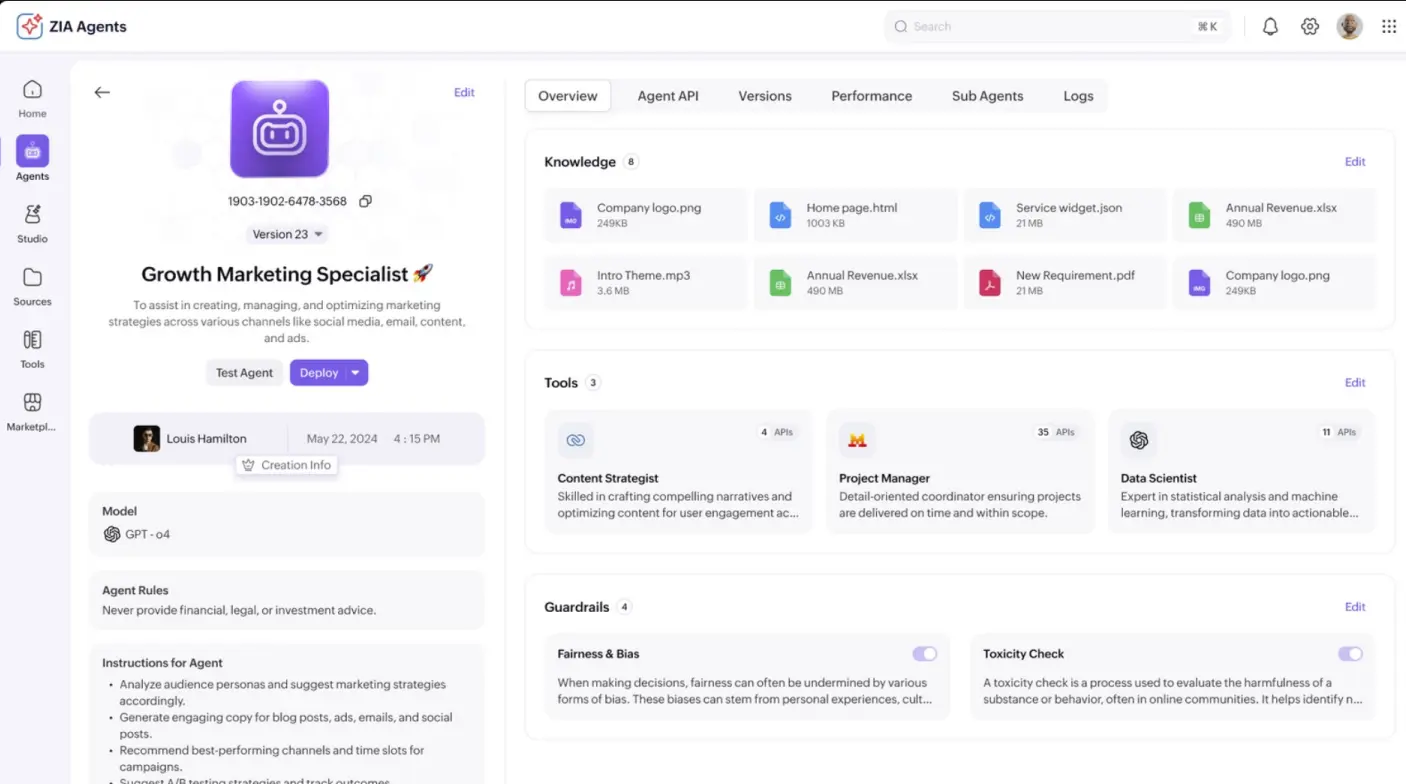
Zoho ecosystem’s AI assistant helps you with assigning and managing tasks, tracking progress, and budget forecasting.
Benefits:
- Subscription not so costly, making it affordable for small businesses;
- Integrates perfectly inside Zoho ecosystem;
- Helps with time and progress tracking.
Limitations:
- Simpler interface, may be not suitable for complex portfolios;
- Forecasting isn’t so advanced like in more complex PM tools.
Future Trends in AI Agents for Project Management
As an extremely growing field, AI agents project management has several promising tendencies. Let’s take a closer look at AI agents project management trends 2026.
1. Multi-agent orchestration.
The projects will be handled by the teams of diverse AI agents with specific roles, that work autonomously on shared tasks. These roles, for example, can be:
- Agent that manages smart scheduling;
- Risk agent that analyses business risks;
- Forecasting agent that analyses historical data and predicts bottlenecks in workflows;
- Trend agent that processes information about market trends;
- Resource agent whose role is to analyse capacity of resources and fill appearing project gaps;
They’ll communicate with each other, share requested information to deliver tasks and projects on time. These capabilities are growing and developing, bringing new possibilities to complex, multi-project environments.
2. What-if scenarios.
AI agents will be able to run advanced what-if scenario analysis to test the potential changes and their consequences. It is an essential feature for any business but especially for a multi-project environment, where one small mistake can cause a chain reaction and lead to project failure. It’s now available in some advanced portfolio management solutions but its applications will grow in the years ahead.
So, instead of guessing, managers will be able to different scenarios and see possible endings:
- Forecast resource reallocation: “What happens if I reassign a senior Python developer to Project A next week?”
- Model risk of delay: “What if the equipment arrives 2 weeks later, how will it affect the project?”
- Test schedule changes: “What if we delay the mobile app launch by 2 weeks, will other milestones fall behind?”
Epicflow is built around this concept, providing What-if scenario planning that allows managers to simulate different situations across a portfolio and see possible consequences to simplify decision-making.
If you want to increase the efficiency of your business and fight uncertainty, book a call with our experts to see how Epicflow does it in action.
3. Automatic resource leveling.
Resource leveling in project management means adjusting assignments and schedules so no team member is overbooked and work is spread right across the team. Doing this on your own may take hours or even days, especially in multi-project management, and AI agents can automate this process. It will help to:
- Prevent team members from burnout;
- Reallocate resources across projects if a bottleneck is detected;
- Bottlenecks don’t block processes, allowing business organizations to avoid wasting costs and resources;
- Saves managers’ time by automating manual scheduling.
4. AI-human collaboration.
All points discussed earlier show that collaboration between people and AI will only grow and gain momentum. As AI agents will take more and more work, project managers will be able to focus on strategy, business goals, and relationships within the team. AI won’t replace human judgment and leadership, leaving it to professionals, but will be a helping hand for processing huge amounts of data and repetitive tasks.
Conclusion
AI agents are autonomous innovative systems that can handle various tasks and allow project managers to focus on more strategic work. They have revolutionized multi-project management by providing several benefits to project leaders, such as:
- Improved efficiency of current processes;
- Managing risks across different projects;
- Improved accuracy of output and results;
- Decreasing possibility of human factor errors.
AI agents for project management tend to grow and bring new features that will turn upside down the understanding of the role of a project manager. Some critical changes that will change the project management environment are multi-agent orchestration and increased AI-human collaboration.
The role of a project manager is complex in its core, but no longer just about boring tasks and problems, and generating ideas how to solve them. Now it’s more about orchestrating different agents in the way that will help you to focus on efficiency improvement among projects.
Software like Epica AI project manager agent helps you to detect and avoid bottlenecks, increase efficiency of resource allocation and track real-time progress across all projects in the portfolio. Schedule a call with our experts and get a full picture of Epica’s opportunities to drive your business to success.
Frequently Asked Questions
What is an AI agent for project management?
An AI agent is an autonomous software assistant that helps manage tasks, risks, deadlines, and communication across projects.
How do AI agents help project managers?
AI agents automate repetitive work to free workers for more valuable tasks. Also, they can forecast risks, make predictions based on analyzed data, test scenarios and suggest optimizations, and ensure effective decision-making.
What are some examples of AI agents in project management?
A perfect example of AI agent for project management is Epica from Epicflow that tracks progress across multiple projects in your portfolio, detects bottlenecks in workflows and sends you alerts. Its main goal is to simplify complex portfolio and resource management and help companies optimize portfolio performance.
How do I choose the right AI agent framework for my project?
Consider the requirements for AI agent:
- Tasks it will handle;
- Suitability for other tools;
- Data security provided by this tool;
- Coding experience;
- SImplicity of integrating it into current workflows.
What are the best AI agents for project management?
If your biggest challenge is to manage multiple projects and resources at once, Epica from Epicflow is built directly for this purpose. It provides analysis of workloads with reports about overloads, predicts bottlenecks, and makes suggestions on how to improve processes in complex multi-project environments.