Best 8 Strategic Portfolio Management Software [2026]: Trending Tools for Smarter Business Decisions
 Victoria Sokolova
.
Updated
.
Project Management
.
27 mins READ
Victoria Sokolova
.
Updated
.
Project Management
.
27 mins READ
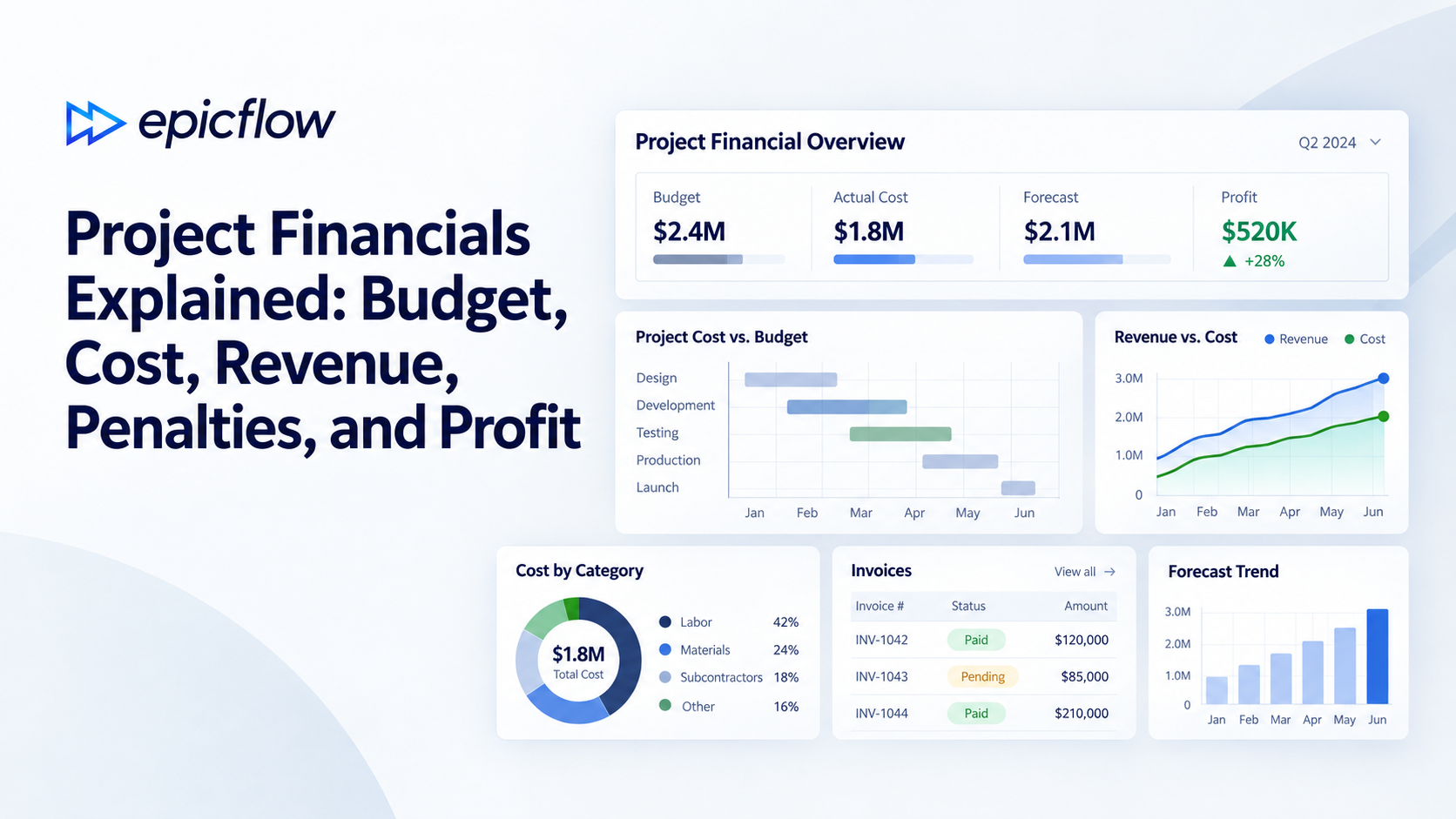
![Epicflow – Best 8 Strategic Portfolio Management Software [2026]: Trending Tools for Smarter Business Decisions](https://www.epicflow.com/wp-content/uploads/2025/04/Best-13-Software-for-Managing-Your-Strategic-Portfolio-_1-1024x640.jpg)
Strategic portfolio management software is essential for translating the strategy into action, ensuring optimal resource allocation and utilization, risk management, and prioritization of projects and tasks.
The article presents an overview of the top strategic portfolio management tools with their key capabilities and is designed for Heads of PMO, portfolio leaders, and resource managers selecting an enterprise SPM platform. We’ve assessed 8 tools on strategic alignment, resource and capacity control, scenario modeling, financial logic, analytics, integrations, and best-fit profile, using current vendor documentation and analyst framing.
Key findings by use case:
- Epicflow is best suited for organizations where delivery performance is constrained by scarce specialist resources, bottlenecks, and multi-project overload, requiring strong resource-driven prioritization and flow optimization.
- Planview and Clarity-class are tools for strategic portfolio management in large enterprises requiring strong portfolio governance, standardization, and centralized control across programs and portfolios.
- Planisware is best fit for R&D-intensive organizations, particularly those managing long-cycle development, stage-gate processes, and complex product portfolios.
- ServiceNow SPM and OnePlan are optimal strategic portfolio management solutions for organizations already invested in ServiceNow or Microsoft ecosystems, where integration, platform alignment, and ecosystem consolidation are primary selection criteria.
See how Epicflow sequences work by value per constrained hour: book a 30-minute demo.
What Are Strategic Portfolio Management Tools?
Strategic portfolio management tools are software platforms that help organizations choose, fund, sequence, and deliver the right mix of projects and investments within the real limits of their people, budgets, and time. They sit one level above project management software: instead of asking "Is this project on schedule?", tools for strategic portfolio management ask "Are we investing in the right work, and can our constrained resources actually deliver it?"
A modern strategic portfolio management tool typically unifies demand intake and prioritization, resource and capacity planning, what-if and scenario modeling, financial planning, and real-time portfolio analytics in a single system. Epicflow (an AI-powered multi-project and resource management platform built on the Theory of Constraints and Critical Chain) is one example of such software built specifically for that constrained, shared-resource reality.
Most organizations face the same execution challenges when implementing their strategies: resources are spread too thin, low-value projects quietly consume scarce capacity, and leadership only sees the slip a quarter later. This explains the significance of this software category: Strategic project portfolio management software exists to close that gap between strategic intent and delivered value. Gartner now frames enterprise investment roadmaps around strategic portfolio management rather than classic project portfolio management, reflecting how central the discipline has become.
Let’s now consider the benefits provided by strategic portfolio management software.
Read more: Product Portfolio Management: What It Is and Why It Matters for Business Leaders
Why Use Strategic Portfolio Management Tools?
The core promise is simple and economic: deliver more of the right work with the finite capacity you already have. In practice, that breaks down into five outcomes.
- Better investment decisions. Strategic portfolio management software lets you score and rank initiatives against strategic value, risk, cost, and resource demand, so funding follows the highest-value work, not the loudest stakeholder.
- Resource truth across the whole portfolio. In multi-project environments, the same specialists are shared across dozens of initiatives. SPM tools reveal in real time who is overloaded, where bottlenecks are forming, and what a new project does to existing commitments.
- Evidence-based course correction. What-if and scenario modeling let leaders test a funding shift or a new project before committing, instead of discovering the consequences months later.
- Strategy-to-delivery alignment. Linking day-to-day work to objectives and OKRs lets everyone see how their effort ladders up to company goals.
- Less waste. Deferring or killing low-value work frees capacity for high-value initiatives, often the single biggest source of throughput gain.
These benefits compound in engineering-intensive sectors: aerospace and defense, manufacturing, automotive, telecoms, pharma, and professional services, where the binding constraint is usually scarce specialist humans and approval queues. Epicflow customers in these sectors report efficiency gains of 20–50%; e.g., a defense department improved on-time delivery and lead times without adding headcount.
How We Selected the Best Tools for Strategic Portfolio Management: Methodology & Criteria
This is an editorially independent listicle, not a vendor directory. To keep the comparison fair and decision-useful, we evaluated each tool against a consistent set of criteria, drawn from current vendor documentation and analyst framing from Gartner and Forrester.
- Strategic alignment: how clearly the tool connects portfolios to strategy, OKRs, and roadmaps.
- Resource & capacity control: visibility into shared-resource load, overload, and bottlenecks across the whole portfolio, not one project.
- Scenario & what-if modeling: the ability to test trade-offs before committing budget or capacity.
- Portfolio economics: whether the tool reasons about value, cost of delay, and the return on constrained capacity, not just dashboards.
- Analytics & reporting: real-time, decision-ready insight rather than static monthly reports.
- Integrations: fit with existing stacks (Jira, MS Project, Oracle Primavera, SAP, BI).
- Best-fit profile: the type, size, and sector of organization each tool serves well.
We focused on platforms with genuine portfolio-level depth rather than project tools that bolt on a dashboard. Pricing is included where published; many enterprise SPM tools are quote-only, which we note honestly.
▶ Curious what hidden bottlenecks are costing your portfolio? Talk to an Epicflow specialist.
Top Strategic Portfolio Management Tools
Epicflow: Best for constrained, multi-project delivery
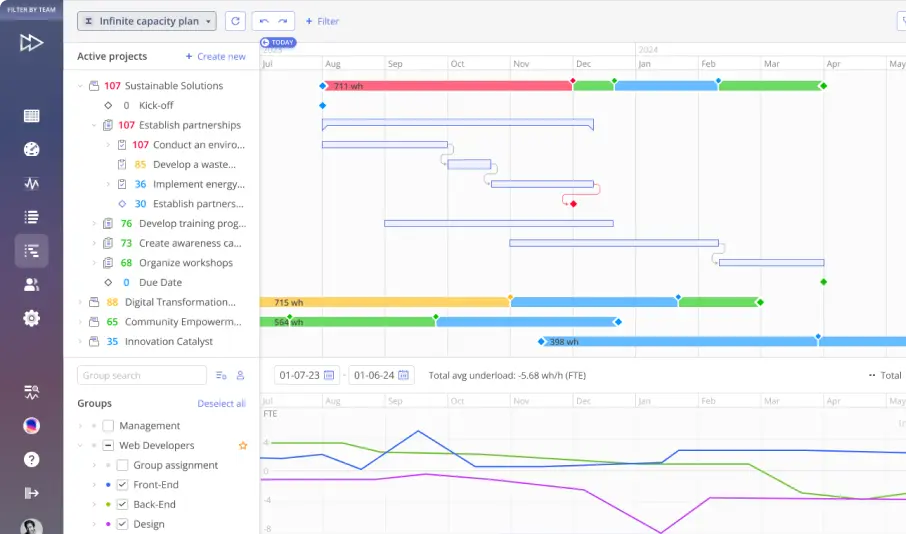
Epicflow is an AI-powered multi-project and resource management platform built on the Theory of Constraints and Critical Chain methodology. Its distinctive angle is economic: it sequences work by value per constrained hour, exposing where scarce specialists are the real bottleneck and orchestrating capacity in real time. Rather than another control-tower dashboard, Epicflow functions as an operating system for the emerging Value Management Office (VMO), turning "resource visibility" into economic control over throughput and delivery.
Key features
- AI-Driven Portfolio Optimizer (EPO): plans the portfolio by value per constrained hour, models real resource limits, and dynamically reorders execution to capture the greatest strategic return.
- Future Load Graph: forecasts upcoming capacity and bottlenecks before they affect delivery.
- Historical Load Graph: uses past multi-project load, capacity, and output data to improve estimation and productivity over time.
- What-If Analysis: tests management decisions across portfolio, resource, and historical views without touching live plans.
- Change-sensitive Pipeline: recalculates project and task priorities the moment conditions change, keeping the most constraining work on top.
- Epica AI assistant & AI agents: surface risks and best-fit resources, with an agent model designed to offload work from bottleneck humans in human-in-the-loop sequences.
Best for
Mid-size to large enterprises and PMOs in shared-resource, engineering-heavy environments: aerospace and defense, manufacturing, automotive, telecoms, and pharma, where bottlenecks and delivery commitments carry real economic stakes.
Integrations
Jira, MS Project, Oracle Primavera, SAP, and BI tools like Power BI; custom integrations available.
Pricing
Growth plan from €25/user/month (€22.50 billed annually) for 20-50 users, up to 50 projects; Enterprise is custom-priced for 50+ users, unlimited projects, and EPO scenario planning. ~10% annual discount.
Pros
Owns a differentiated economic model (value per constrained hour, drag cost) competitors don't foreground; predictive bottleneck control; defense-grade credibility (Dutch Ministry of Defence usage, British MOD penetration-testing standards, JOSCAR positioning); proven 20-50% efficiency gains.
Cons
Constraint-economics depth rewards teams willing to learn it; accuracy depends on disciplined, timely data input.
"We increased our output by 200% and reduced lead time by 50% in two years, and we can now give customers realistic commitments."
Epicflow customer, telecommunications (TKF)
Planview: Best for enterprise governance at scale
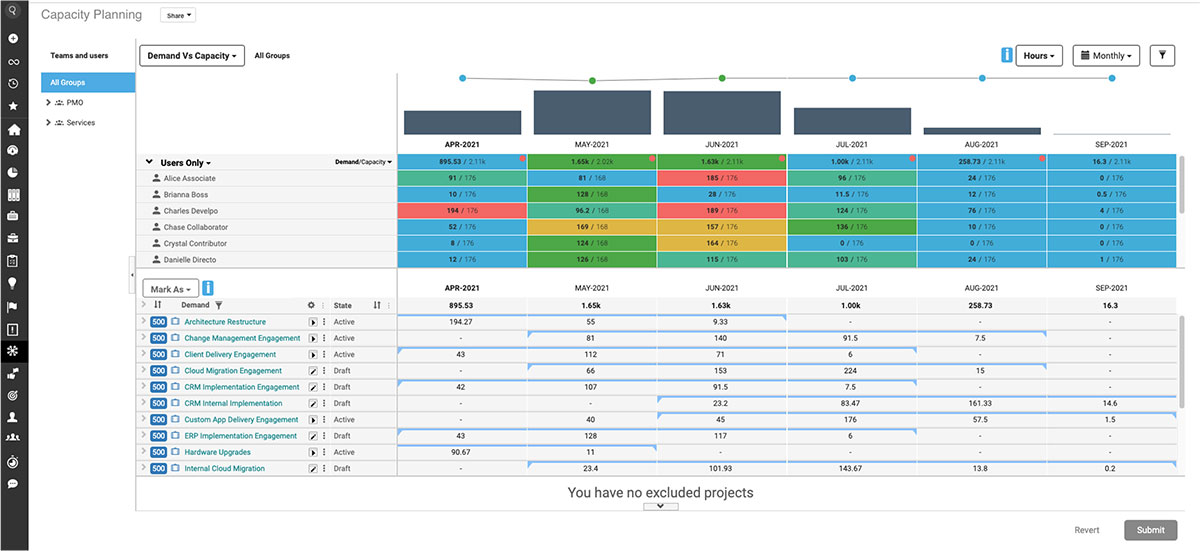 Planview is an enterprise-grade strategic portfolio management and connected-work platform for large, often regulated organizations. It connects strategy to execution through deep financial management, capacity planning, OKR alignment, and AI-guided scenario modeling.
Key features:
- Strategic roadmapping with embedded OKRs and prioritization.
- Financial management (forecast vs. actuals, agile costing, capitalization).
- Enterprise resource and capacity planning with skills-based staffing.
- Planview Anvi AI for forecasting and risk detection.
- 200+ out-of-the-box reports with embedded Power BI.
Best for: Large enterprises and EPMOs managing multi-department, multi-billion-dollar portfolios where governance depth and financial control are non-negotiable.
Integrations: 60+ enterprise systems including major ERPs, Jira (via Planview Hub), and Salesforce; supports Waterfall and SAFe Agile.
Pricing: Custom / quote-only.
Pros: Governance and financial depth; scaling to hundreds of concurrent projects; modern UX relative to legacy peers.
Cons: Months-long implementations; opaque pricing; the breadth can imply governance overhead for teams that mainly need portfolio-flow clarity.
ServiceNow SPM: Best for ServiceNow-native organizations
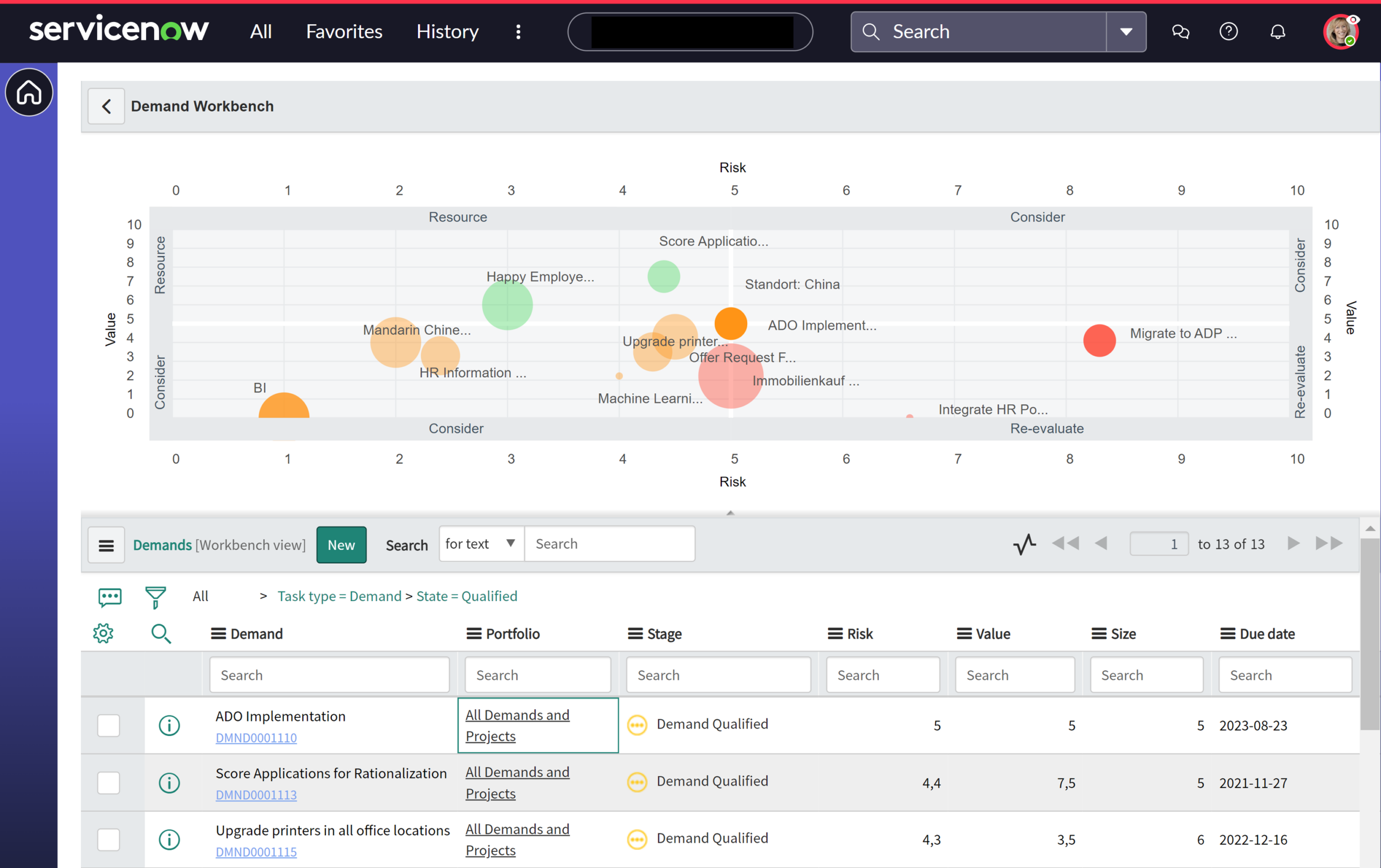
ServiceNow Strategic Portfolio Management is the portfolio layer of the broader Now Platform. Its biggest advantage is context: if you already run ServiceNow for IT service management, HR, and operations, portfolio data lives alongside operational data in one system.
Key features:
- Demand management with automated intake, scoring, and approval workflows.
- Resource management with scheduling and utilization tracking.
- Investment portfolio management; capability mapping and outcome tracking.
- Now Assist AI for project-health monitoring and risk surfacing.
Best for: Large organizations already standardized on ServiceNow that want to extend that investment into formal portfolio governance.
Integrations: Native across the ServiceNow ecosystem (ITSM, HR, finance); bi-directional Jira sync via API.
Pricing: Custom / quote-only; requires a ServiceNow license.
Pros: Unified platform reduces manual data reconciliation; strong demand management; mature vendor and partner ecosystem.
Cons: Interface can feel complex; cost-effective only with an existing ServiceNow footprint; Jira integration is API-based, not native.
Planisware: Best for R&D and new product development
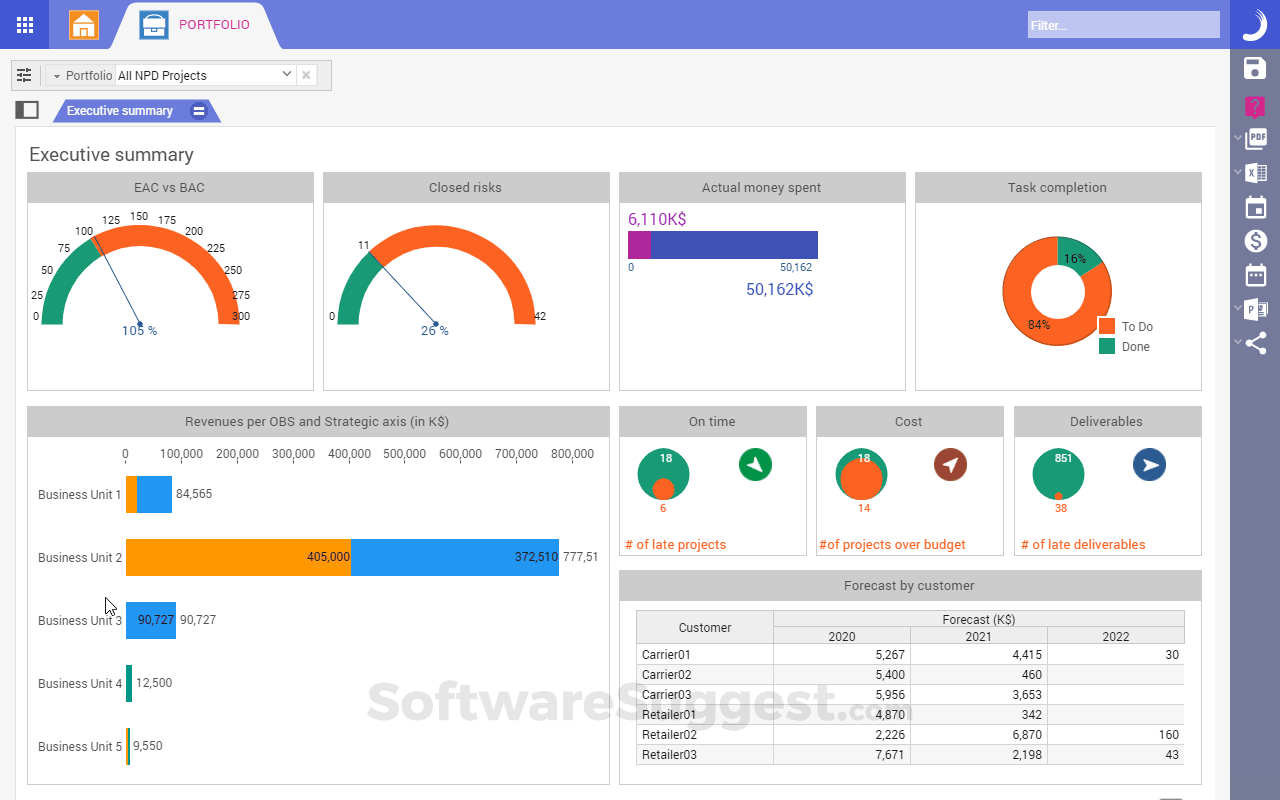
Planisware is a long-established SPM vendor serving 600+ blue-chip customers, with deep heritage in product development, R&D, and engineering portfolios. Its line spans Planisware Enterprise, Nova, Orchestra, and Horizon.
Key features:
- Strategy capture and OKR alignment; roadmapping; adaptive funding models.
- Integrated financials with bottleneck-aware capacity planning.
- AI-driven analytics including Particle Swarm portfolio optimization and predictive risk modeling.
- Industry-shaped templates for life sciences, automotive, A&D, and high-tech.
Best for: Large product-development, R&D, and engineering organizations that need deep portfolio governance and financial rigor.
Integrations: Broad enterprise integration coverage; multiple deployment options.
Pricing: Custom / quote-only.
Pros: Deep, proven SPM capabilities; strong analyst recognition; powerful AI optimization.
Cons: Enterprise complexity and implementation effort; best value realized at large scale.
Apptio (IBM): Best for IT financial governance
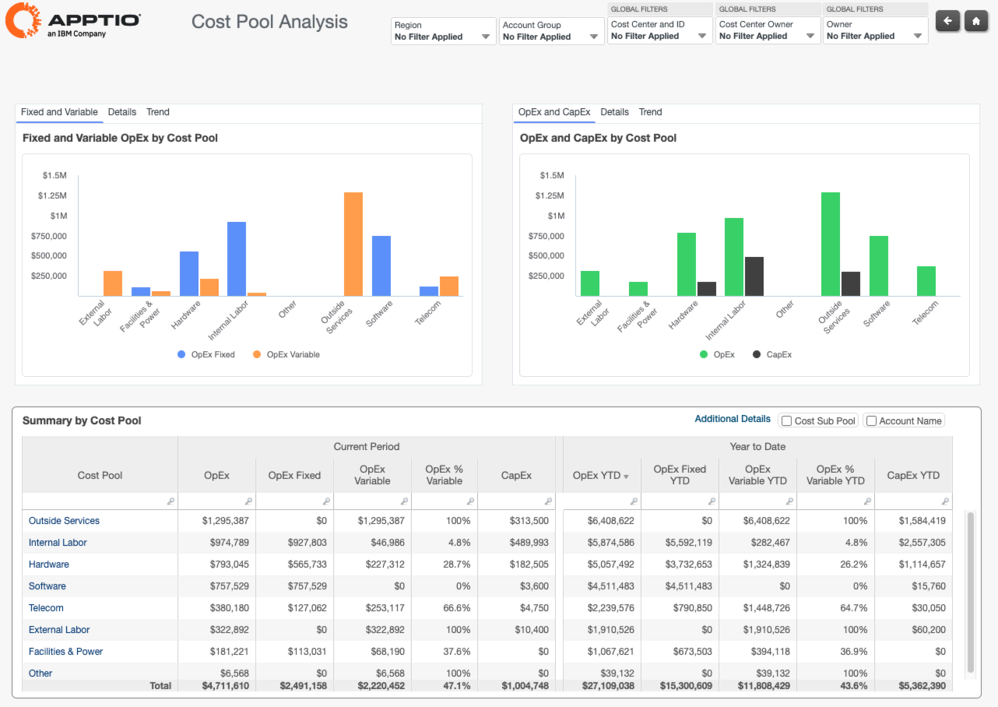
Now part of IBM, Apptio brings a Technology Business Management lens to portfolio management, specializing in connecting financial data to technology investments through cost transparency and value tracking.
Key features:
- Investment and portfolio planning tied to financial management.
- Cost transparency and TBM frameworks.
- Demand and capacity management; outcome and value tracking.
- Integration with IBM's broader analytics and AI stack.
Best for: IT-heavy enterprises where financial governance, cost transparency, and ROI tracking of technology investments are the priority.
Integrations: Strong financial-data and ERP integrations; part of the IBM ecosystem.
Pricing: Custom / quote-only.
Pros: Best-in-class IT financial management and ROI tracking; SAFe/Agile aligned; proven at very large scale.
Cons: Steep learning curve; heavily finance-oriented, which can exceed what non-IT portfolios need.
Triskell: Best for PMOs leaving legacy PPM
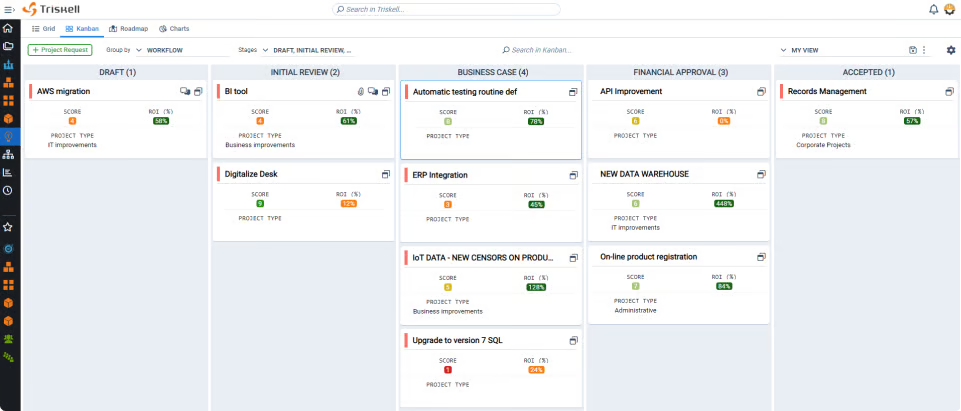
Triskell is where organizations land when legacy PPM tools become too slow, expensive, or rigid but they still need real portfolio depth. It connects strategy, projects, and financials and supports Agile, Waterfall, SAFe, and Phase-Gate from one highly configurable platform.
Key features:
- No-code meta-modeling for workflows, OKRs, and balanced scorecards.
- Advanced scenario planning and what-if analysis.
- Resource management and financial tracking; multi-methodology support.
Best for: Enterprise PMOs that need genuine portfolio depth and hybrid governance without a 6–12-month implementation, and that aren't tied to the Jira ecosystem.
Integrations: Integrations across common enterprise tools; SaaS deployment.
Pricing: Custom / quote-based; 14-15 day free trial available.
Pros: Clean, modern interface; faster time-to-value than legacy platforms; flexible no-code configuration.
Cons: Smaller partner and integration ecosystem than the majors; admin configuration has a learning curve; SaaS-only.
Businessmap: Best for Agile and Lean portfolios
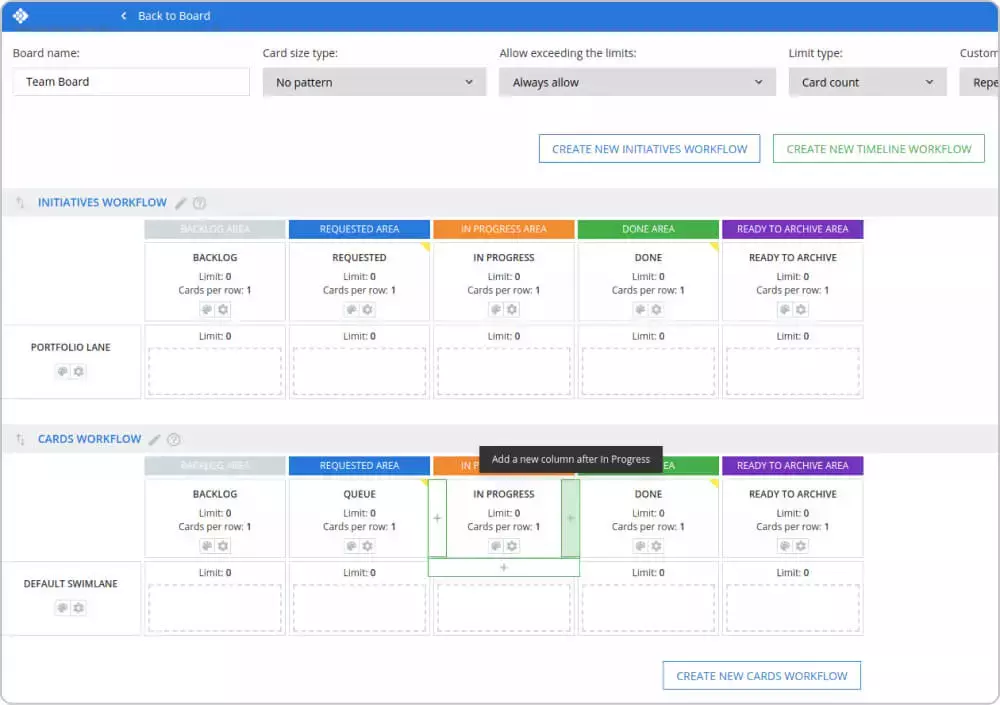
Businessmap (formerly Kanbanize) approaches portfolio management from a Lean/Kanban heritage, connecting strategy to execution through visual workflow management from team boards up to portfolio initiatives.
Key features:
- Multi-level Kanban for portfolio, program, and team work.
- Outcome and OKR alignment; workflow analytics and flow metrics.
- Dependency management; automation and WIP controls.
Best for: Organizations with a strong Agile/Lean culture that want portfolio visibility built on flow-based execution rather than heavy financial governance.
Integrations: Connects with common work-management and dev tools.
Pricing: Per-user subscription; more transparent than enterprise quote-only platforms.
Pros: Excellent for flow-based, Agile portfolios; clear visual management; faster to adopt.
Cons: Lighter on enterprise financial planning and deep capacity modeling than heavyweight SPM platforms.
OnePlan: Best for Microsoft-centric organizations
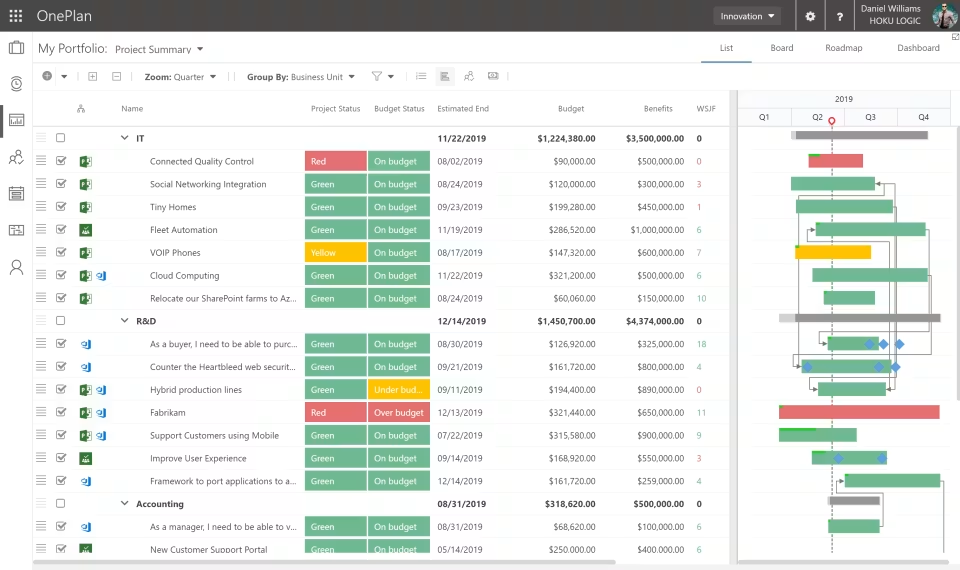
OnePlan is a strategic portfolio and work management platform that layers portfolio planning, financials, and resource management on top of tools organizations already use, notably the Microsoft ecosystem.
Key features:
- Strategic planning and prioritization; portfolio and investment management.
- Resource and capacity planning; financial planning.
- AI-assisted insights; flexible integration with Microsoft and Agile tools.
Best for: Organizations, particularly Microsoft-centric ones, that want enterprise SPM capabilities without abandoning their existing work-management tools.
Integrations: Microsoft Project, Teams, Azure DevOps, Jira, and other work-management platforms.
Pricing: Custom / quote-based.
Pros: Strong fit for Microsoft-centric environments; connects portfolio planning to existing execution tools.
Cons: Value depends on the surrounding tool ecosystem; less brand recognition than the largest vendors.
Comparison Table: Top Strategic Portfolio Management Tools 2026 at a Glance
|
Tool |
Best for |
Standout strength |
|
Epicflow |
Constrained, multi-project delivery |
Value per constrained hour + real-time bottleneck orchestration |
|
Planview |
Large regulated enterprises |
Governance & financial depth |
|
ServiceNow SPM |
ServiceNow-native orgs |
Unified platform data |
|
Planisware |
R&D / product development |
Portfolio optimization & financials |
|
Apptio (IBM) |
IT financial governance |
Cost transparency & ROI tracking |
|
Triskell |
PMOs leaving legacy PPM |
No-code, multi-methodology flexibility |
|
Businessmap |
Agile / Lean portfolios |
Flow-based visual management |
|
OnePlan |
Microsoft-centric orgs |
Builds on existing tools |
What Features Should a Strategic Portfolio Management Tool Have?
When evaluating strategic portfolio management software, prioritize the capabilities that map to your binding constraint:
- Strategy and OKR alignment: Can you link every initiative to a strategic objective and see its contribution at a glance?
- Portfolio-wide resource and capacity management: Does the tool show real-time load and overload across the whole portfolio, not one project?
- Scenario and what-if planning: Can you model a funding shift or a new project's impact before committing?
- Portfolio economics: Does it reason about value per constrained hour, cost of delay, and which bottleneck task must move now?
- Financial management: Forecasting, budgeting, and planned-vs-actual tracking at portfolio level.
- Real-time analytics and dashboards: Decision-ready insight, not static monthly reports.
- Integrations: Fit with Jira, MS Project, SAP, ERP, and BI without brittle manual syncs.
- Security and compliance: Relevant certifications for regulated or defense-sector use.
How Do You Choose the Right Strategic Portfolio Management Tool?
There is no single best strategic portfolio management software; only the best fit for your constraint and context. A simple way to narrow the field:
- Identify your binding constraint. If scarce specialists and hidden bottlenecks limit throughput, a constraint-first optimizer like Epicflow moves the needle fastest. If financial governance dominates, lean to Planview, Clarity-class suites, Planisware, or Apptio. If you're locked into a platform, ServiceNow SPM or OnePlan reduce friction.
- Match scale and complexity. Enterprise quote-only platforms deliver depth but demand long implementations. Mid-market teams often get more value, faster, from tools with transparent pricing.
- Check integration fit. The tool must work where your teams already deliver – Jira, MS Project, SAP, Azure DevOps – without fragile manual syncing.
- Weigh time-to-value. A 6–12-month rollout is justified at true enterprise scale; elsewhere it's a risk. Favor tools your teams will actually adopt.
- Pilot before you commit. Use trials and what-if modeling to confirm the tool changes decisions, not just dashboards.
Why Does Epicflow Stand Out Among Strategic Portfolio Management Tools?
Most tools for strategic portfolio management are built around governance and reporting. They tell you what happened and help you see the portfolio. Epicflow is built around the constraint that actually limits delivery in multi-project organizations: finite specialist capacity. It fuses three ideas competitors usually keep separate – resource truth, portfolio economics, and real-time orchestration, and bring them into one operating model.
The practical difference is value per constrained hour. Instead of sequencing work by politics or arbitrary deadlines, Epicflow's AI-Driven Portfolio Optimiser (EPO) reorders execution to maximize value captured per hour of your scarcest experts, while the Future Load Graph forecasts overload before it happens and capacity planning keeps commitments realistic. This is the language of flow economics and the Value Management Office in contrast to generic “portfolio visibility.”
The proof is concentrated exactly where the stakes are highest. Epicflow customers across telecom, manufacturing, healthcare, and aerospace and defense report 20–50% efficiency gains; Dutch telecom KPN improved deliverability by 62%, and TKF increased project delivery by 200% while cutting lead time 50% with the same headcount. Combined with defense-grade credibility – Dutch Ministry of Defence usage, British MOD penetration-testing standards, and JOSCAR positioning – Epicflow reads less like a modern PM app and more like an operating system for serious delivery environments. The honest question it answers is "Can we deliver everything we've committed to with the people we have?"
Make constrained capacity your competitive advantage.
▶ See your portfolio sequenced by value per constrained hour: book an Epicflow demo.
Conclusion
Strategic portfolio management tools have become essential for turning strategy into delivered value in 2026. The right platform helps you fund the best work, allocate scarce resources intelligently, model decisions before committing, and keep the whole portfolio aligned to business goals.
- Enterprise governance (Planview, Apptio, Clarity-class suites) – for financial control and compliance at scale.
- Platform-native fit (ServiceNow SPM, OnePlan) – to minimize friction inside an existing ecosystem.
- R&D depth (Planisware) – for innovation and new-product portfolios.
- Constraint economics (Epicflow) – when scarce specialists and bottlenecks are what actually limit throughput.
Start from your binding constraint, evaluate the features of the top strategic portfolio management software, match the tool to your scale and stack, and pilot before you commit. That's how a software purchase becomes a genuine strategic advantage.
Frequently Asked Questions
What is strategic portfolio management software?
Strategic portfolio management (SPM) tools are software platforms that help organizations align projects, programs, and investments with business strategy. They combine demand intake, prioritization, scenario planning, resource and capacity management, financial planning, and real-time analytics so leaders choose the right work and deliver it within real resource limits.
What is the best strategic portfolio management tool?
There's no universal best; it depends on your binding constraint. Epicflow is strongest for constrained, multi-project environments where scarce specialists limit delivery; Planview, Planisware, and Apptio (IBM) lead on enterprise governance and financial depth; ServiceNow SPM or OnePlan fit organizations already invested in the ServiceNow or Microsoft ecosystems.
What features should a strategic portfolio management tool have?
Look for strategy/OKR alignment, portfolio-wide resource and capacity management, scenario and what-if modeling, portfolio economics (value per constrained hour and cost of delay), financial management, real-time dashboards, strong integrations (Jira, MS Project, SAP, ERP, BI), and appropriate security and compliance certifications.
What is the difference between SPM tools and project management tools?
Project management tools focus on delivering individual projects on time and on budget. Strategic portfolio management tools operate one level up: they help leaders decide which projects to invest in, balance scarce resources across the whole portfolio, and ensure the work collectively advances company strategy.
How much do strategic portfolio management tools cost?
Pricing varies widely. Many enterprise SPM platforms (Planview, Planisware, ServiceNow SPM, Apptio, OnePlan) are quote-only and scale with complexity. Others publish per-user pricing – e.g., Epicflow's Growth plan starts at €25/user/month, with custom Enterprise pricing for larger deployments.
How do I choose the right strategic portfolio management tool?
Identify your biggest constraint (resources, governance, or ecosystem fit), match the tool to your scale, verify integration with your existing stack, weigh implementation time-to-value, and pilot with trials and scenario modeling before committing.
What is "value per constrained hour" in portfolio management?
Value per constrained hour is an economic prioritization principle: when specialist capacity is the bottleneck, you maximize portfolio value by sequencing work according to the value each task generates per hour of that scarce resource. Epicflow's AI-Driven Portfolio Optimiser uses this logic to reorder execution within real capacity limits.
What is the difference between strategic portfolio management and project portfolio management?
Project portfolio management (PPM) centers on selecting and overseeing a set of projects efficiently. Strategic portfolio management (SPM) is broader and more economic: it ties investment decisions, funding, value delivery, and resource constraints directly to enterprise strategy, which is why Gartner now frames investment roadmaps around SPM.
Which industries benefit most from strategic portfolio management tools?
Engineering-intensive, shared-resource sectors benefit most: aerospace and defense, manufacturing, automotive, telecoms, pharma, and professional services. In these environments the binding constraint is usually scarce specialist humans and approval queues, where constraint-first tools like Epicflow deliver the clearest gains.
Can AI agents help relieve portfolio bottlenecks?
Yes, when designed as capacity augmentation rather than chat assistance. Epicflow's AI-agent model is built to offload work from bottleneck humans, execute when predecessor tasks finish, and operate inside human-in-the-loop sequences with notifications and traceability, effectively adding capacity at the constraint.